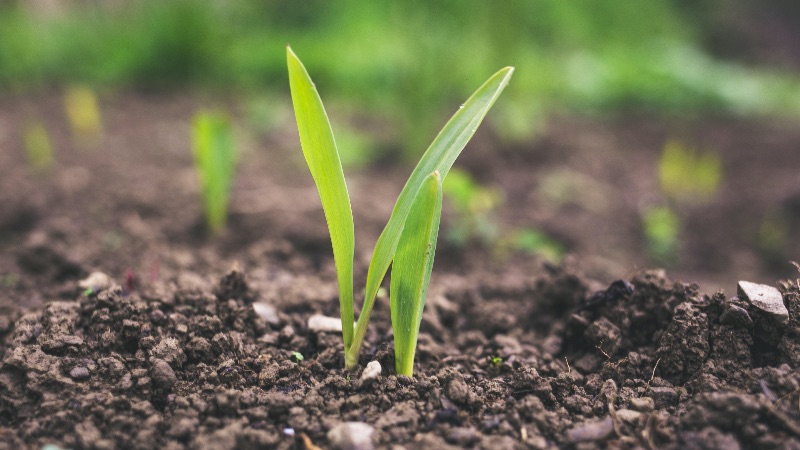
In the parable of the sower, the sower sows the seed (Mt. 13; Mk 4; Lk 8). The seed is the same but the results differ according to the ground. Seed that lands on the hard wayside never penetrates the surface. Seed sprouting in rocky ground does not last through heated challenges. Seed sprouting in thorny ground gets choked out by the competition. Only the good ground (the good and honest heart, Lk 8:15) is appropriate fruit produced.
This raises a question then, what type of ground are we? What we need to be — and what we need to be now — is good ground. Yet perhaps many of us can also recall times when we ourselves were hardened, or shallow, or double-minded. Which brings up another question: Can we improve our soil, and what can we do to that end?
The parable of the sower is not directed particularly to those questions. It is focused on how the different types of heart respond to the broad spread word. But turning to some other passages, and employing a further illustration, let’s consider the following.
When you see a field of rich, dark, tilled topsoil, you are not looking at something that happened through carelessness. Though years past it may have been hard, briar filled, or full of rock, someone showed enough care and determination to bring it to the point where it’s receptive and fertile.
Biblical Principles: David’s heart had become hard by 2 Samuel 11, but it became softer in 2 Samuel 12 and Psalm 51. Facing our sin is an important part of penetrating the heart. Hard ground is not tilled with soft feathers, but with a blade (Acts 2:37; Heb. 4:12). The Psalmist and the Hebrew writer warn us, “Harden not your hearts” (Ps.95 & Heb.3), and James instructs us to “receive with meekness, the implanted word,” (James 1:21). Having received the word, “let the word of Christ dwell in you richly” (Col. 3:16). And since no man can serve two masters (Matt.6.19-24), we must resolve where our interests are laid up, and not allow thorns and thistles to be our yield (Heb. 6:7:12).
If we remain in his word (John 8:31), and if we remain in him (John 15), we can bear fruit, be pruned, and bear more fruit. We are to “Take no part in the unfruitful works of darkness” (Eph. 5:11) “And let our people learn to devote themselves to good works, so as to help cases of urgent need, and not be unfruitful. (Titus 3:14).
What type of soil are you? What type of soil would you like to be? May we receive with meekness the implanted word.